
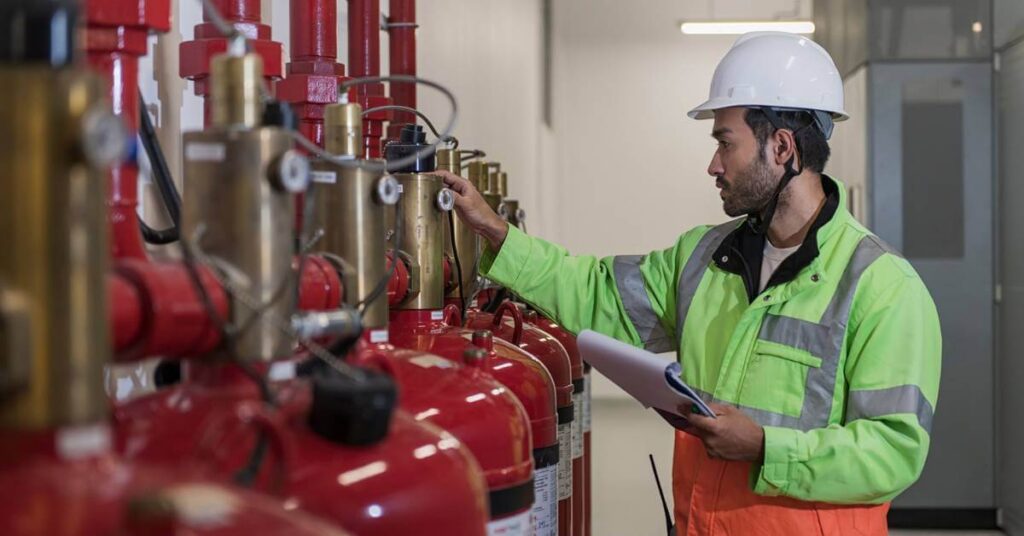
Commercial kitchens rely heavily on fire suppression systems to protect expensive cooking equipment, ventilation hoods, and surrounding structures from heat and open flames. Across Southeast Texas, an ANSUL system is often the primary line of defense inside busy commercial cooking environments. However, simply having a system installed over your cookline does not mean it will stay ready to discharge indefinitely.
Without ongoing maintenance, hidden mechanical problems can develop inside the system. Routine inspection helps identify minor equipment issues early, keeping the unit in proper working order so your kitchen stays safe and compliant.
Why Does an ANSUL System Need Regular Maintenance?
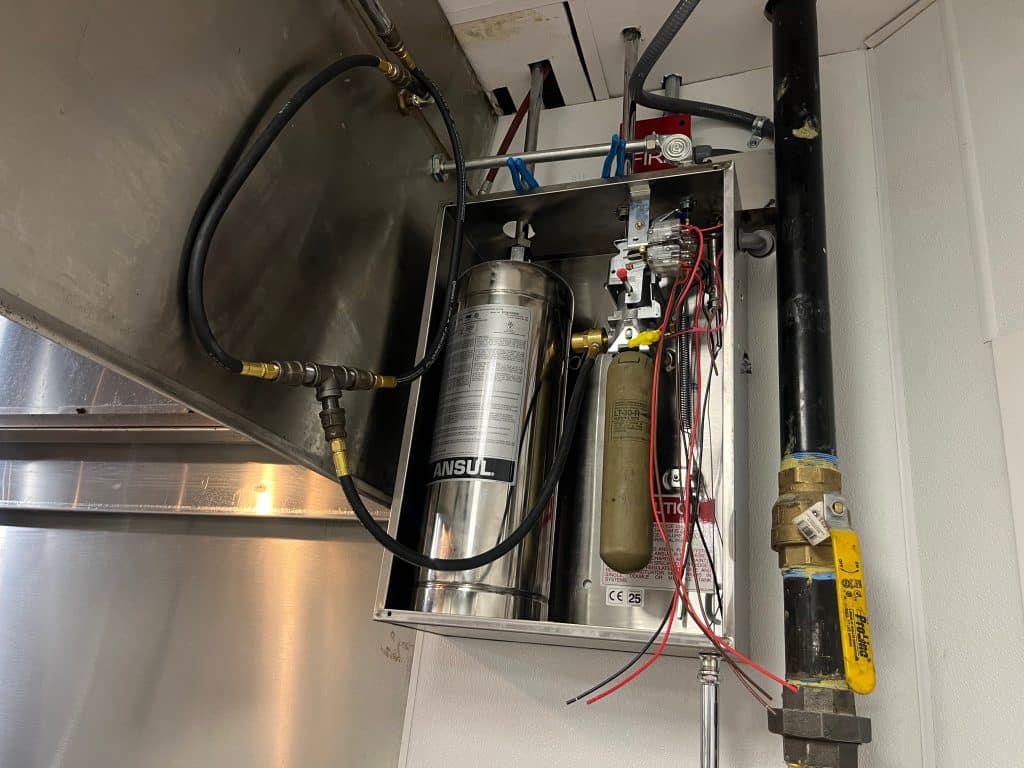
An ANSUL system relies on several mechanical components working together instantly. The setup includes temperature detection devices, discharge nozzles, supply piping, chemical suppression agent, pressure cylinders, and manual activation controls.
Commercial kitchens create tough conditions for fire protection equipment. Daily cooking produces heavy heat, grease vapors, moisture, and steam, while high-volume activity puts continuous wear on the area. Over time, these conditions can cause internal and external components to become dirty, corroded, or obstructed. Regular maintenance gives trained professionals a chance to inspect every part of the system, verify proper positioning, and fix small issues before an emergency occurs.
What Can Happen If an ANSUL System Is Not Maintained?
When routine inspection schedules drop off, small equipment flaws quietly turn into serious risks. Kitchen environments naturally push systems to their limits, leading to several practical issues.
Components May Become Dirty or Obstructed
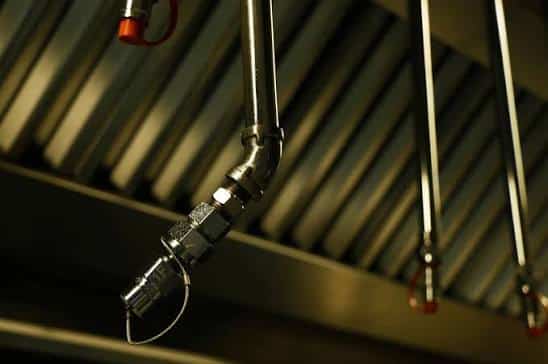
Thick grease and carbon buildup naturally settle around kitchen hoods, fryers, and cooktops. When discharge nozzles and heat detection links get coated in heavy residue, the system cannot respond properly. Keeping nozzles clean and free of blockage ensures the suppression agent can spray evenly over hot surfaces.
System Components Can Deteriorate
Tension wires can lose pull strength, rubber blow-off caps can harden or crack, and chemical supply cylinders can slowly lose pressure. Physical damage from heavy pots, pans, or routine hood washing often goes unnoticed until a certified technician opens the control head to inspect the components.
The System May Not Perform as Intended
An unmaintained ANSUL fire suppression system in Orange, TX can suffer from unresolved mechanical issues that delay or limit its operation. According to national fire research from the National Fire Protection Association, cooking equipment is the leading cause of fires in nonresidential buildings, accounting for thousands of commercial kitchen incidents each year. While maintenance cannot guarantee a system will prevent every fire, neglecting it significantly increases the risk of mechanical failure during a flare-up.
Can Poor Maintenance Affect Fire Suppression During an Emergency?
During a flare-up, a kitchen fire suppression system must act in seconds. Heat-sensitive links must melt, trigger the control head, puncture the gas cartridge, and push wet chemical agent through the piping network to smother the flames.
If discharge nozzles are blocked by grease caps or turned away from target appliances, the chemical agent will not cover the fire effectively. Deep-fat fryer fires involve hot cooking oil, making immediate suppression vital to suppress flames and prevent re-ignition. Skipping maintenance leaves your facility vulnerable when rapid response matters most.
Can an Unmaintained ANSUL System Create Problems for a Business?
Beyond physical safety risks, neglect creates compliance and administrative headaches for owners. Fire protection standards outlined in public safety resources like the NCBI Bookshelf OSHA Guidelines stress that unobstructed, fully operational safety systems are mandatory for maintaining safe workplaces.
Missing service tags or out-of-date inspection logs can trigger warnings from local fire marshals during routine building checks. If a system requires emergency repairs during a surprise inspection, you may face unexpected kitchen shutdowns, lost revenues, and expensive rushed service calls. Keeping clear inspection records organized protects your business operations and keeps your kitchen running smoothly.
What Signs Show an ANSUL System Needs Maintenance?
Kitchen managers should watch for clear warning indicators between scheduled professional visits:
- Missing or cracked rubber blow-off caps on discharge nozzles
- Heavy grease accumulation on nozzles, detection lines, or hood filters
- Pressure gauge indicators dropping out of the proper operating range
- Outdated or missing paper inspection tags on the chemical tank
- Shifted nozzles pointing away from fryers, ranges, or griddles
- Unreported manual pulls or partial system discharges
- Recent changes to kitchen layouts or appliance moves
How Often Should an ANSUL System Be Maintained?
Maintenance frequency depends on cooking volume, appliance types, local fire codes, and manufacturer recommendations. Standard commercial systems generally require professional inspection and servicing every six months, alongside regular visual checks by staff.
You should also schedule a professional evaluation immediately after a system discharge, after major kitchen renovations, or whenever cooking equipment is replaced or rearranged beneath the hood.
How Can Orange, TX Businesses Keep Their ANSUL Systems Ready?
Keeping your commercial kitchen fire protection system ready takes a simple, direct approach:
- Schedule semi-annual professional inspections with a licensed fire protection provider.
- Maintain daily kitchen cleaning habits to reduce grease buildup on nozzles and hood filters.
- Keep all nozzle covers intact and properly positioned over target appliances.
- Avoid hanging utensils, towels, or decorations from fire system piping or conduit.
- Keep service documentation attached to the system and accessible for fire inspectors.
- Request immediate service if cooking lines shift or if components show visible damage.
Keep Your ANSUL Fire Suppression System Maintained
Overlooking routine ANSUL system maintenance allows dirt, grease, and mechanical wear to compromise your fire safety equipment. Regular professional service keeps your kitchen compliant, protects your team, and ensures your equipment operates as designed.
Protect your commercial kitchen in Orange, TX today. Contact Hydro-Clean Services, Inc at (409) 832-3411 to schedule your ANSUL fire suppression system inspection and maintenance service.