
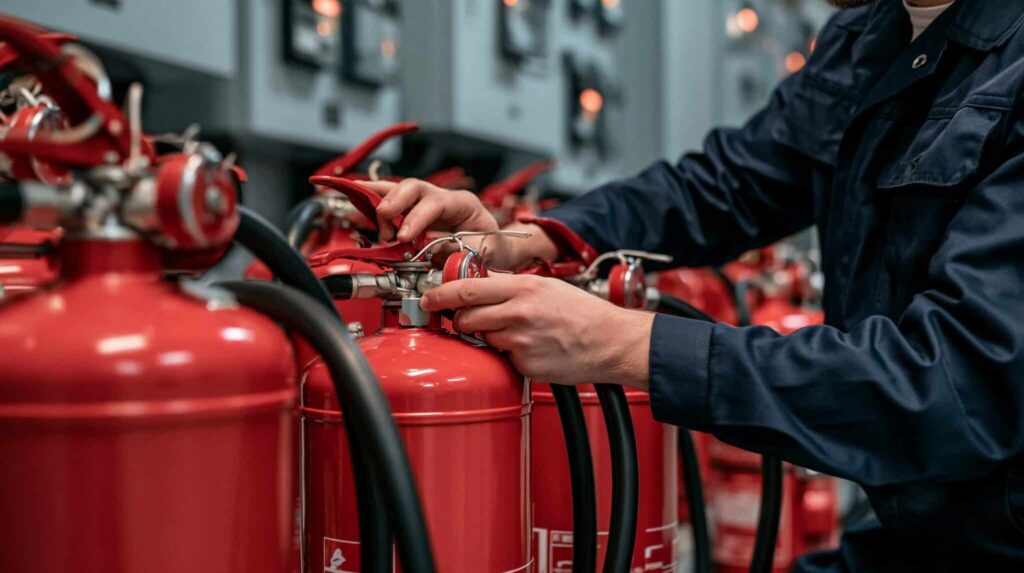
Fire extinguishers sit quietly on walls in offices, shops, and homes across Port Neches, Texas. They are our first line of defense during a sudden blaze. But these life-saving tools do not last forever. Many people think a fire extinguisher is fine as long as nobody has pulled the pin. In reality, age is not the only reason a unit might fail when you need it most.
Condition, rust, past usage, and physical damage all shape the life of your equipment. Knowing when to get a fire extinguisher replacement in Port Neches, TX keeps your family, employees, and property safe.
How Often Do Fire Extinguishers Need to Be Replaced?
There is no single expiration date that applies to every single fire extinguisher. How long your unit lasts depends on its type, build quality, and how well you care for it. Disposable extinguishers usually last about 10 to 12 years. Commercial, rechargeable models can last 20 years or longer with proper care.
According to fire safety guidelines from the National Fire Protection Association, portable extinguishers must undergo regular maintenance checks to ensure they function correctly. You should never assume an extinguisher is safe just because it looks okay on the outside or sits quietly on a wall bracket.
A unit that has not reached its target age can still fail if internal components break down. Routine professional evaluations help you figure out if your equipment needs simple service or a complete swap.
What Are the Signs a Fire Extinguisher Should Be Replaced?
You do not have to guess if your unit is nearing the end of its life. Regular monthly checks help you catch warning signs early before a small defect becomes a major risk.
Visible Corrosion or Rust
Rust weakens the metal cylinder over time. High humidity and salty air can speed up this process on coastal property. If you notice severe flaking, deep rust spots, or pitting around the metal base, the cylinder could crack under pressure.
Dents or Physical Damage
Accidents happen. Heavy equipment might bump into a mounted unit, or someone might drop it during cleanups. Small scratches on the outer paint are usually fine. However, deep dents, cracked collar welds, or bent shells lower the pressure rating of the unit. Damaged cylinders should be looked at right away by a specialist.
Leaks or Pressure Problems
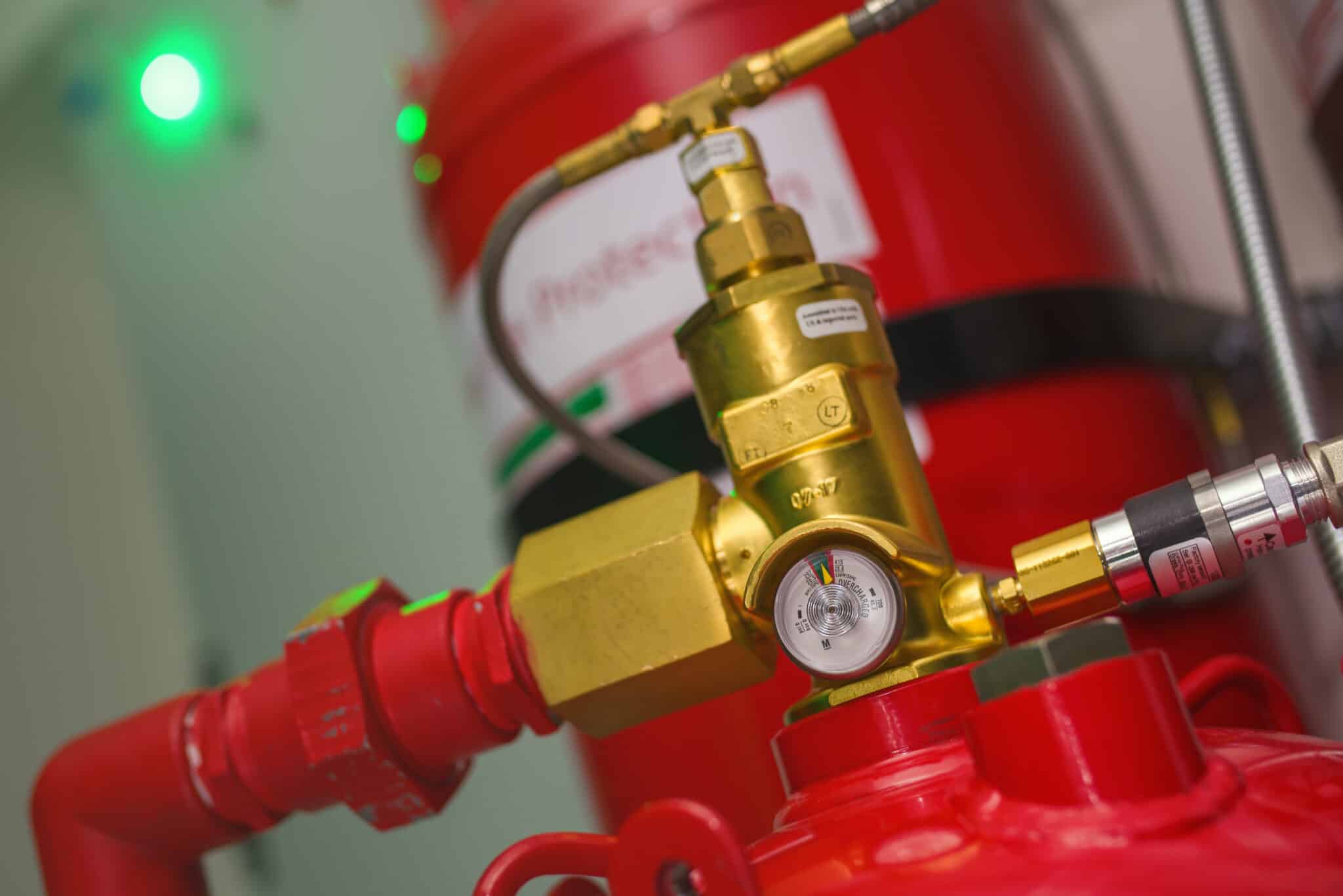
Take a close look at the gauge on top of your unit. The needle should sit squarely in the green zone. If the needle drops into the red area, the pressurized gas inside has leaked out. A depressurized unit will not spray extinguishing chemicals when you squeeze the lever. On the flip side, an overcharged gauge can also point to dangerous valve failure.
Damaged Components
Check the smaller parts on top of the canister. A cracked hose, a missing safety pin, a broken plastic nozzle, or a bent discharge lever all impair operation. If vital parts are broken or missing, replacing the unit is often safer and more cost-effective than searching for hard-to-find spare parts.
Does Using a Fire Extinguisher Mean It Needs to Be Replaced?
If you pull the pin and squeeze the lever, even for a brief two-second spray, you must take that extinguisher out of service immediately. Never put a partially used unit back on the wall.
Even if the gauge still looks green, the valve seal inside has been opened. Chemical powder can get stuck in the valve seat, allowing the remaining pressurized propellant to leak out slowly over the next few hours. That leaves you completely unprotected if another fire breaks out.
A discharged unit must be professionally evaluated. Depending on the model, a technician can perform a recharge to fill it back up, or they will recommend a full replacement if the shell shows wear.
Can an Old Fire Extinguisher Still Be Safe to Use?
An old unit can remain safe and functional if it has a clean service record. Commercial units are built to last for decades when given proper care, such as required internal maintenance every 6 years and hydrostatic pressure testing every 12 years.
However, older units need much closer attention. Seals dry out, internal chemical powder can pack tightly together, and metal shell fatigue can set in. Research published by the U.S. Fire Administration shows that cooking fires and electrical issues remain leading causes of commercial property damage, places where a working extinguisher makes all the difference.
If you inherit an old unit without clear maintenance tags, or if you cannot verify its history, play it safe. Have a qualified technician test the unit before relying on it.
How Do Port Neches Conditions Affect Fire Extinguishers?
Port Neches experiences hot summers, high humidity, and damp coastal air year-round. This climate presents unique challenges for safety equipment. Moisture in the air causes metal canisters to rust faster, especially if stored outdoors, near docks, or in unconditioned workshops.
Heat inside hot warehouses or service trucks can also cause pressure readings to rise. Businesses along the Neches River should check their units often for exterior rust and peeling paint. Keeping your safety gear mounted in a covered, dry spot helps extend its working life.
What Is the Difference Between Replacing and Maintaining a Fire Extinguisher?
Many people confuse basic upkeep with buying brand-new equipment. Here is how fire safety care breaks down:
- Inspection: A quick monthly check to confirm the unit is visible, accessible, undamaged, and showing full pressure.
- Maintenance: A detailed yearly check by a trained specialist who tests mechanical parts, weighs the unit, and updates the service tag.
- Recharge: Refilling the unit with fire-suppression agent and pressurized gas after a discharge or during routine internal checks.
- Replacement: Discarding the old canister and installing a new unit when the shell is damaged, rusty, obsolete, or too costly to repair.
How Can Businesses Know When to Replace Their Fire Extinguishers?
Keeping your workplace compliant and safe does not have to be confusing. Use this practical checklist to keep track of your safety gear:
- Keep clear logs of all monthly visual inspections and professional annual checks.
- Inspect outer shells monthly for dents, severe rust, and chipped paint.
- Check that pressure needles sit directly in the green safety zone.
- Confirm that safety pins, tamper seals, hoses, and nozzles are intact.
- Remove any used or partially sprayed unit from service right away.
- Retire non-rechargeable units every 10 to 12 years based on the maker’s label.
- Trust a licensed professional when they advise that a unit is no longer safe to service.
Don’t Wait for an Emergency to Test Your Equipment
Fire extinguishers do not come with a single universal lifespan. How often you should swap out your gear depends on its age, physical condition, maintenance history, and exposure to local moisture. Taking a proactive approach to fire extinguisher maintenance protects your investment and ensures your gear works during a sudden crisis.
Is your commercial property, office, or facility overdue for a safety review? Don’t leave your protection to chance. Contact the experienced team at Hydro-Clean Services, Inc at (409) 832-34111 to schedule your professional fire extinguisher inspection or replacement in Port Neches, TX. We will evaluate your equipment, keep you fully compliant, and make sure your team stays protected.